


LUDEX Sports Card Scanner +TCG
4.51.89K Reviews
App Specs
- Version
- 2.0.2
- Updated On
- License
- Free
- Downloads
- 1,000,000+
- Developer
- Ludex AI
- Categories
- Sports
- Platform
- Android, iOS
Screenshots

 Analysis by AppCompare
I came away thinking that a card scanner earns its place not through one impressive scan, but by making the ordinary decisions around a collection easier. LUDEX Sports Card Scanner +TCG is most appealing when I want a quick identification and a rough sense of value without opening a browser and searching card by card. Its real test, though, is whether I still reach for it once the novelty of pointing a camera at my collection wears off.
The first-week appeal: turning a stack into something searchable
Ever found yourself knee-deep in a pile of sports cards, wondering about their value? Enter LUDEX Sports Card Scanner +TCG, the app that promises to revolutionize your card-collecting experience. I recently gave this app a test drive, and here’s the scoop.
The first scans make the strongest impression because they replace a slow, repetitive lookup with a simple camera-based starting point. I can see the appeal after opening a box from storage or sorting cards after a trade: rather than typing names and checking search results one at a time, I can try scanning and then decide which cards deserve a closer look. That convenience is especially useful when I don’t yet know exactly what I have.
For a fair test, I would use cards in good light, keep the camera steady, and separate any glossy or reflective cards from the first batch. A scanner can only identify what the camera captures clearly, and the original experience notes that rare or highly reflective cards may cause trouble. If a result looks unexpected, I would treat it as a prompt to inspect the card—not as proof that the edition, condition, or market value has been settled.
That distinction matters for anyone deciding whether the app can replace research. A scan can quickly narrow down what a card might be, but a collector still needs to check details that affect value, such as the exact version and physical condition. I find the best use is triage: let the camera help sort the unknown pile, then verify the cards that might influence a buying, selling, or trading decision.
A Handy Tool for Card Collectors
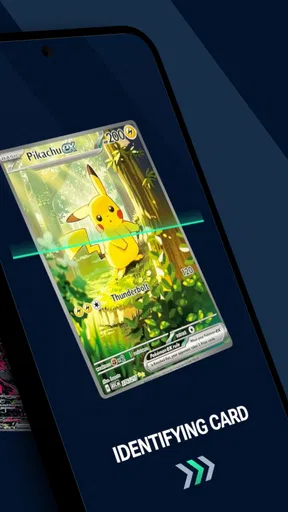
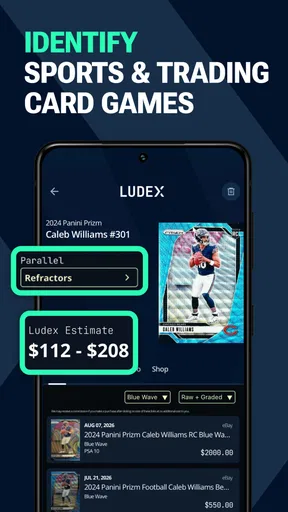
The moment I opened the app, the sleek and intuitive interface caught my eye. It's designed to make your card management process as smooth as possible. The app’s main feature is its ability to scan cards using your phone's camera. It's like magic! You simply snap a photo, and voilà, the app identifies your card and provides all the necessary details.
LUDEX is a free sports app from Ludex AI, and it has a 4.5 average from around 14,000 ratings, with over one million installs. It is rated for Everyone, while optional in-app purchases range from $4.99 to $239.99 per item. I would try the free experience with a small, representative group of cards before considering any purchase; that is a more useful test than scanning only the easiest cards in a collection. The current version is 1.9.1, and it runs on Android 7.0 or later.
Worth Reading Before You Choose

Flipboard Shows What News Apps Must Do Beyond the Feed

Switching to Android Auto Means Rethinking Your Driving Routine

Google Calendar Makes a Crowded Week Easier to Manage

Ludo King Makes the Most of the Minutes Between Plans

Baby Panda World Brings Quick Play to Modern Phones, but Its Game Library Feels Busy

ESPN’s Live Game View Makes Following Close Games Easier
How Does It Work?
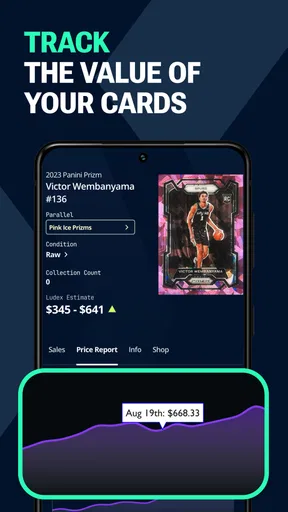
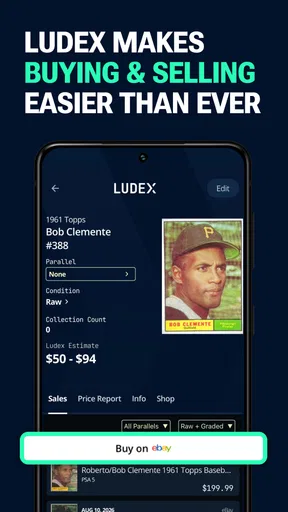
The app utilizes advanced AI technology to recognize cards from a vast database. I was genuinely impressed by its accuracy. Whether you have baseball, basketball, or even trading card game (TCG) cards, the app effortlessly recognizes them. After scanning, it provides an estimated market value, which is a huge time-saver if you're looking to trade or sell.
In day-to-day use, I would keep the scan and the valuation as two separate steps in my mind. The first helps identify a likely match; the second is an estimate to guide further checking, not a guaranteed sale price. Prices can depend on condition and on whether the specific card has the details a buyer expects. Before agreeing to a trade, I would compare the result with current listings or other relevant market references and make sure the card shown is the same version I hold.
A practical workflow is to scan a handful of cards, review the matches, and only then add confirmed items to a collection. That small pause prevents a mistaken identification from becoming an apparently authoritative inventory entry. It also makes the app more useful later: a collection built from checked matches is easier to trust than a large one created as quickly as possible.
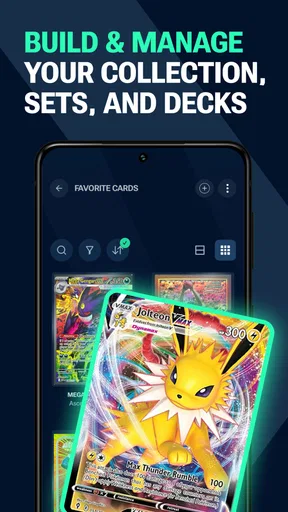
One cool feature is the ability to create a digital inventory. You can organize your cards into different collections, making it easier to manage and access them whenever needed. Plus, the app allows you to monitor market trends, so you're always in the loop about your collection's value.
Keeping Track of Market Trends
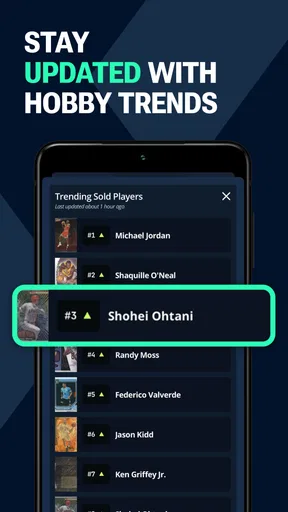
What I found particularly useful was the app's market tracking feature. It updates you with the latest trends and card values. If you're someone who keeps a keen eye on the market, this feature can be a game-changer. You can make informed decisions about buying or selling your cards, maximizing your collection's potential.
The collection tools are where I see the clearest month-to-month value. A one-time scan can be entertaining, but an inventory becomes more useful when it helps answer repeat questions: which cards do I own, what have I already checked, and what might be worth revisiting before a trade? I would use separate collections for a personal set, cards I might trade, and newly acquired cards awaiting a closer look. That is a simple way to keep uncertain matches from getting mixed in with items I have verified.
Imagine sorting cards after a weekend trade. I could scan the new arrivals, confirm the closest matches, and put them in a temporary collection rather than immediately folding them into my main inventory. Later, I could review the items whose estimated values seem meaningful and compare their details before deciding whether to keep, trade, or sell. The app helps organize that process; it does not make the decision for me.
Compared with a spreadsheet, LUDEX offers a quicker camera-led route from a physical card to a digital record, while a spreadsheet gives me more control over custom notes and fields. Compared with searching each card manually, scanning can save effort when the identity is unclear, but manual lookup may be better for a rare card whose exact variation needs careful confirmation. I would use the scanner for discovery and organization, then use a more deliberate reference check when precision matters.
Another noteworthy aspect is the community feature, where users can interact, trade, and share insights. It’s like having a bustling marketplace right at your fingertips. The app also offers news updates and articles from the card-collecting world, adding more value to its utility.
Those community and reading features may help collectors who enjoy keeping up with the hobby in one place, but I would not treat conversation as verification. Advice from another user can be a useful lead, while the physical card and a careful match remain the basis for a sound valuation. If I mainly want a private inventory and nothing social, the scanner and collection tools are the parts I would judge most closely.
Keeping the habit useful without making it a chore
Maintaining a digital collection takes a little discipline. I would scan new cards when they enter my hands, not leave a growing backlog for a rainy day. For cards already in storage, doing a small batch at a time makes it easier to catch misidentifications and avoid turning the hobby into a long data-entry session. It also creates a natural point to decide whether a card belongs in a personal collection, a trade group, or a review-later pile.
The recurring work is not just scanning. Cards may need a second look when the image is difficult, a match is uncertain, or a value seems out of step with what I expected. If I am not willing to check those cases, I should avoid treating the total shown for a collection as a precise account of what it could sell for. For casual organization, an approximate guide can still be useful; for insurance, a serious sale, or a high-stakes trade, I would want more careful documentation and independent checking.
There is also a sensible stopping point. I would not rescan every card just because I opened the app, nor would I feel obliged to follow every market movement. The tool is most helpful when it answers a real question—identifying a card, organizing a recent acquisition, or deciding what deserves research. If checking estimates starts to distract from collecting itself, I would scale back to occasional reviews rather than turn the app into a daily task.
That makes the app a better fit for collectors who regularly handle mixed cards and want a convenient first pass than for someone with a small, settled collection who rarely needs to look anything up. It may also be the wrong choice for a collector who expects every obscure issue to scan cleanly or wants a definitive price without checking condition and edition. In those situations, direct research or a carefully maintained custom catalog may be more dependable.
Why You’ll Love It
Overall, LUDEX Sports Card Scanner +TCG is a must-have for any card enthusiast. It offers a comprehensive package—from scanning and valuing cards to tracking market trends and interacting with a vibrant community. While it’s not perfect and occasionally struggles with rare or highly reflective cards, the team behind the app is continually improving its database and recognition capabilities.
My more measured take is that its lasting value depends on how often I need to identify, sort, and revisit cards. The scanner is the hook, but the inventory and market tracking are what can make it worth opening again after the first burst of curiosity. The trade-off is that useful records require review: a wrong match or a value taken too literally can make a tidy-looking collection less reliable than it appears.
For someone starting with a mixed box, sorting a new trade, or keeping several groups of cards in order, I would give the free app a practical trial and judge it on the cards I actually own. I would not pay for anything until I knew the scanning and organization fit my routine, especially since in-app purchases can be substantial. If I only need occasional prices, a targeted manual search may be enough; if I want a faster first pass and a living inventory, LUDEX has a clearer case.
In short, if you’re looking to streamline your card-collecting hobby and stay ahead in the trading game, this app is definitely worth a try. It’s like having a digital assistant dedicated to your card collection. Trust me, once you start using it, you’ll wonder how you ever managed without it!
My long-term verdict
I would recommend LUDEX to collectors who will use scanning as part of a repeatable routine, not just as a novelty. Its strongest role is helping me turn an unidentified pile into a reviewed, searchable collection and flagging cards that merit more attention. I would keep it only if that saves time often enough to outweigh the occasional correction and the need to verify important matches.
So my advice is simple: start with a small batch that includes ordinary cards and a few difficult ones, check whether the results are useful for your collection, and see if the inventory still helps after the first session. If it does, the app can become a handy part of card maintenance. If you collect rarely, need exact valuations without follow-up, or prefer full control over every catalog field, manual research or a spreadsheet may suit you better.
Pros
- Fast and accurate card scanning.
- User-friendly interface.
- Comprehensive card database.
- Regular updates with new features.
- Secure data management.
Cons
- Requires stable internet connection.
- Limited offline functionality.
- Some features locked behind paywall.
- Minor bugs in older device models.
- Occasional slow customer support.
FAQs for LUDEX Sports Card Scanner +TCG
What is LUDEX Sports Card Scanner +TCG, and how does it work?
LUDEX Sports Card Scanner +TCG is an app designed to help sports card and trading card game enthusiasts scan, organize, and manage their collections. It uses advanced image recognition technology to identify cards quickly and accurately. Users simply scan their cards with their smartphone camera, and the app provides detailed information, including market values and card details.
Is LUDEX Sports Card Scanner +TCG free to use?
The app offers both free and premium versions. The free version allows users to scan a limited number of cards per month and access basic features. The premium subscription unlocks unlimited scans, additional features, and enhanced functionalities such as collection analytics and more detailed card information, which can be particularly useful for avid collectors.
How accurate is the card recognition feature in LUDEX?
LUDEX boasts high accuracy in card recognition, thanks to its sophisticated image recognition technology. However, accuracy can depend on factors like lighting, card condition, and camera quality. Users are encouraged to ensure good lighting and focus when scanning cards to improve recognition rates. Regular updates also help improve the app’s accuracy over time.
Can LUDEX Sports Card Scanner +TCG provide market values for cards?
Yes, LUDEX provides current market values for cards, which can be highly beneficial for collectors and traders. The app aggregates data from various sources to offer up-to-date pricing information. This feature helps users make informed decisions about buying, selling, or trading their cards, ensuring they stay competitive in the market.
Is my card collection data safe with LUDEX?
LUDEX prioritizes user privacy and data security. The app employs encryption and secure servers to protect user information and card collection data. Users can trust that their data is stored safely and is accessible only to them, ensuring peace of mind while managing their valuable card collections.


